Weather
Jackets
Lightweight Jackets
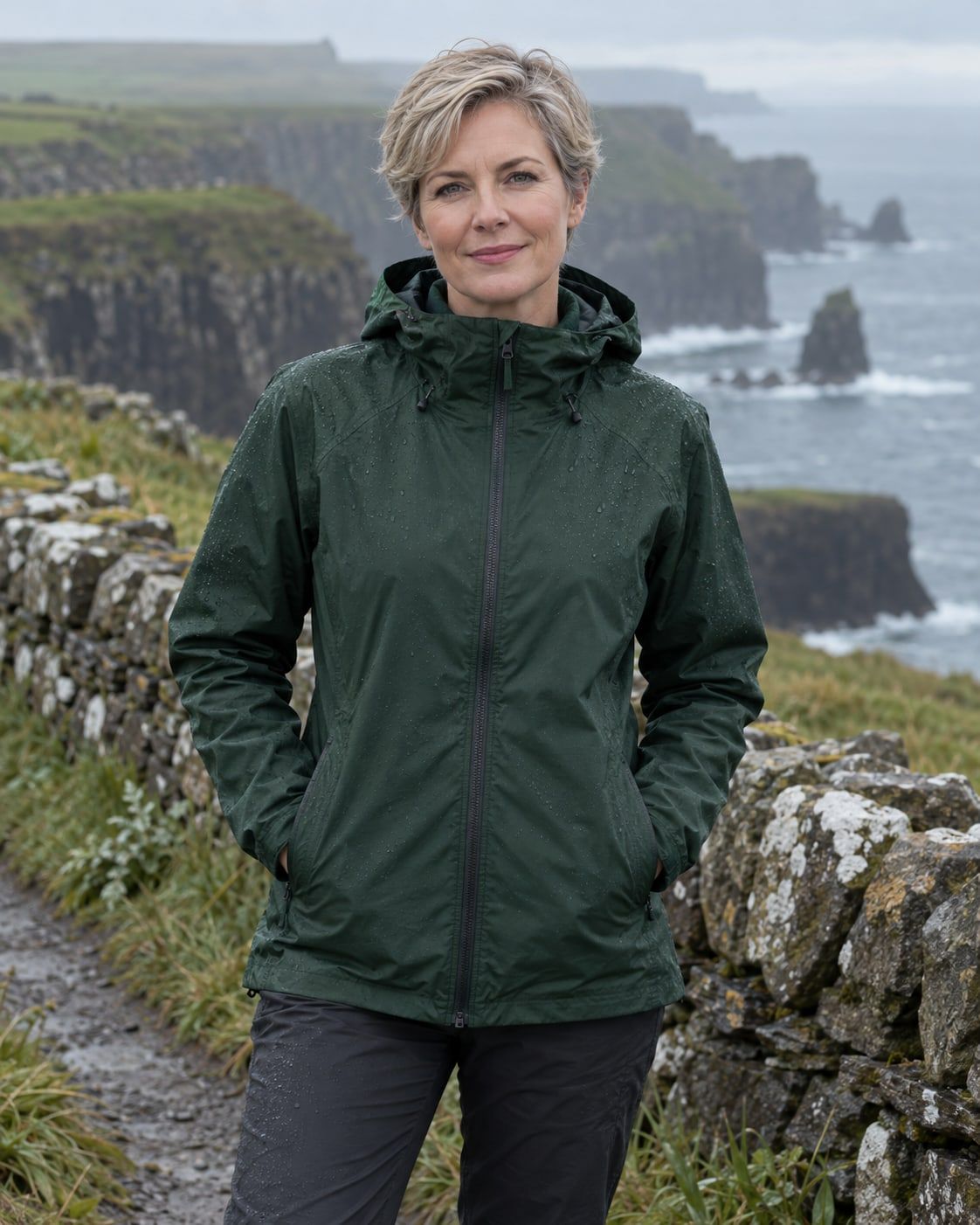
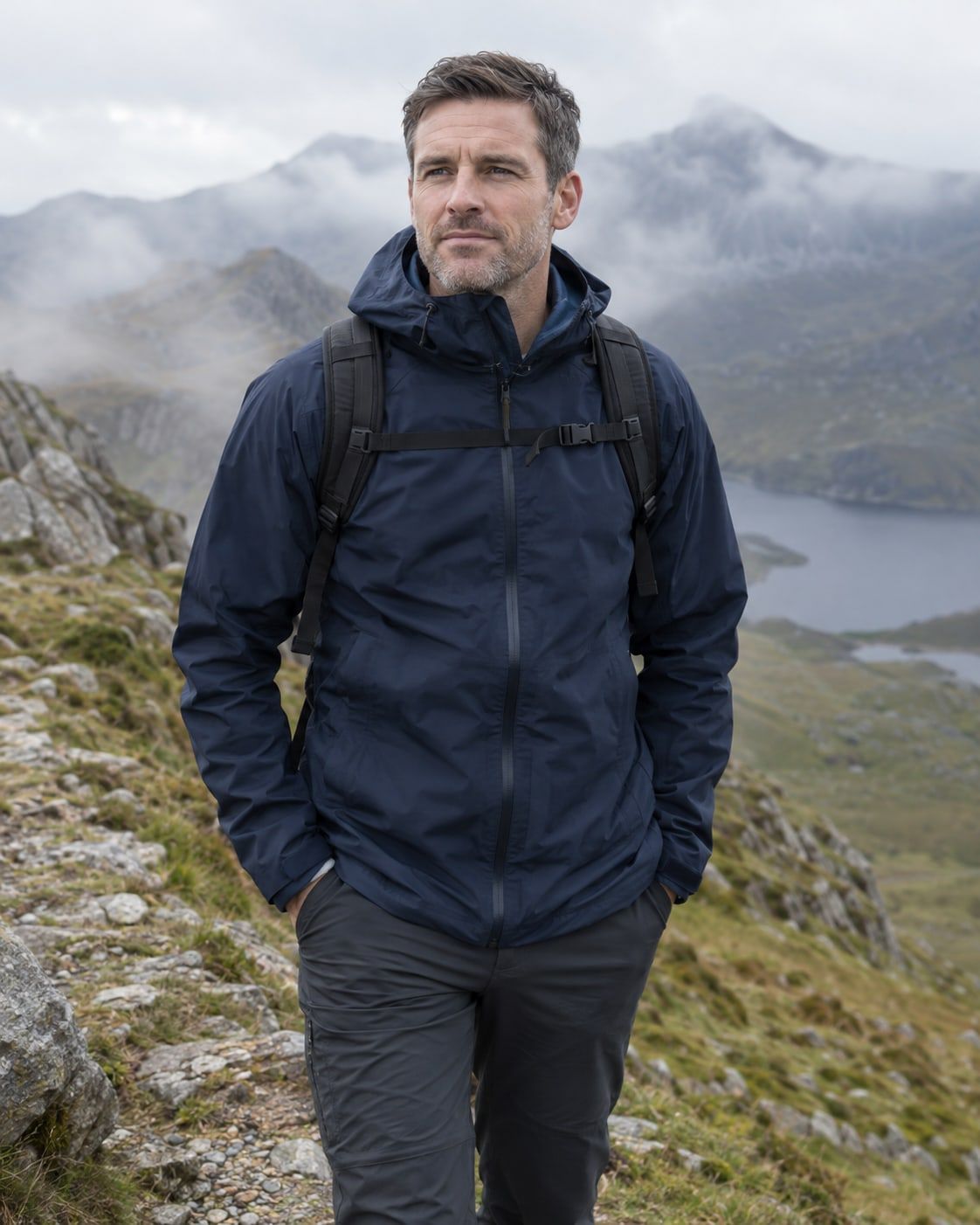
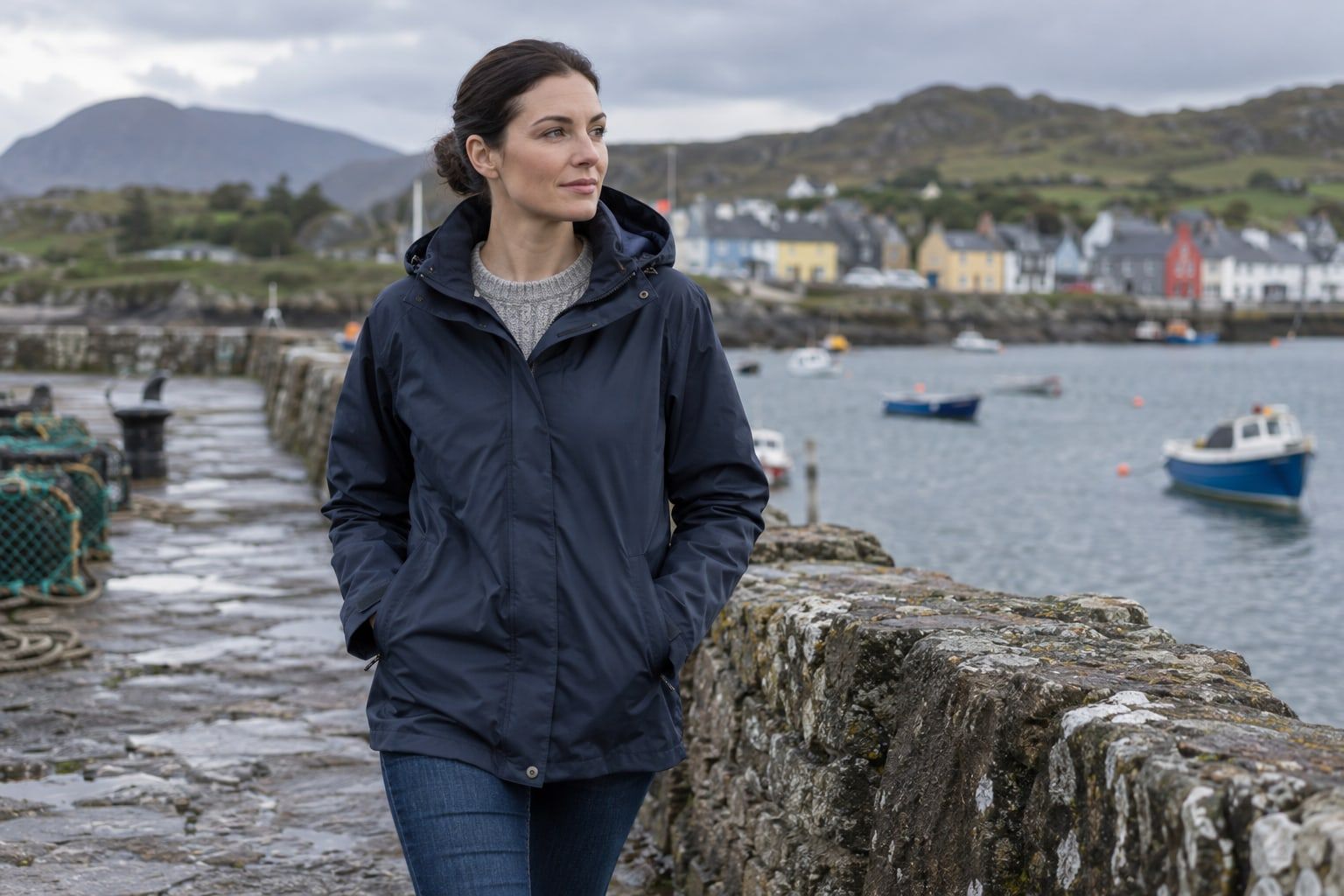
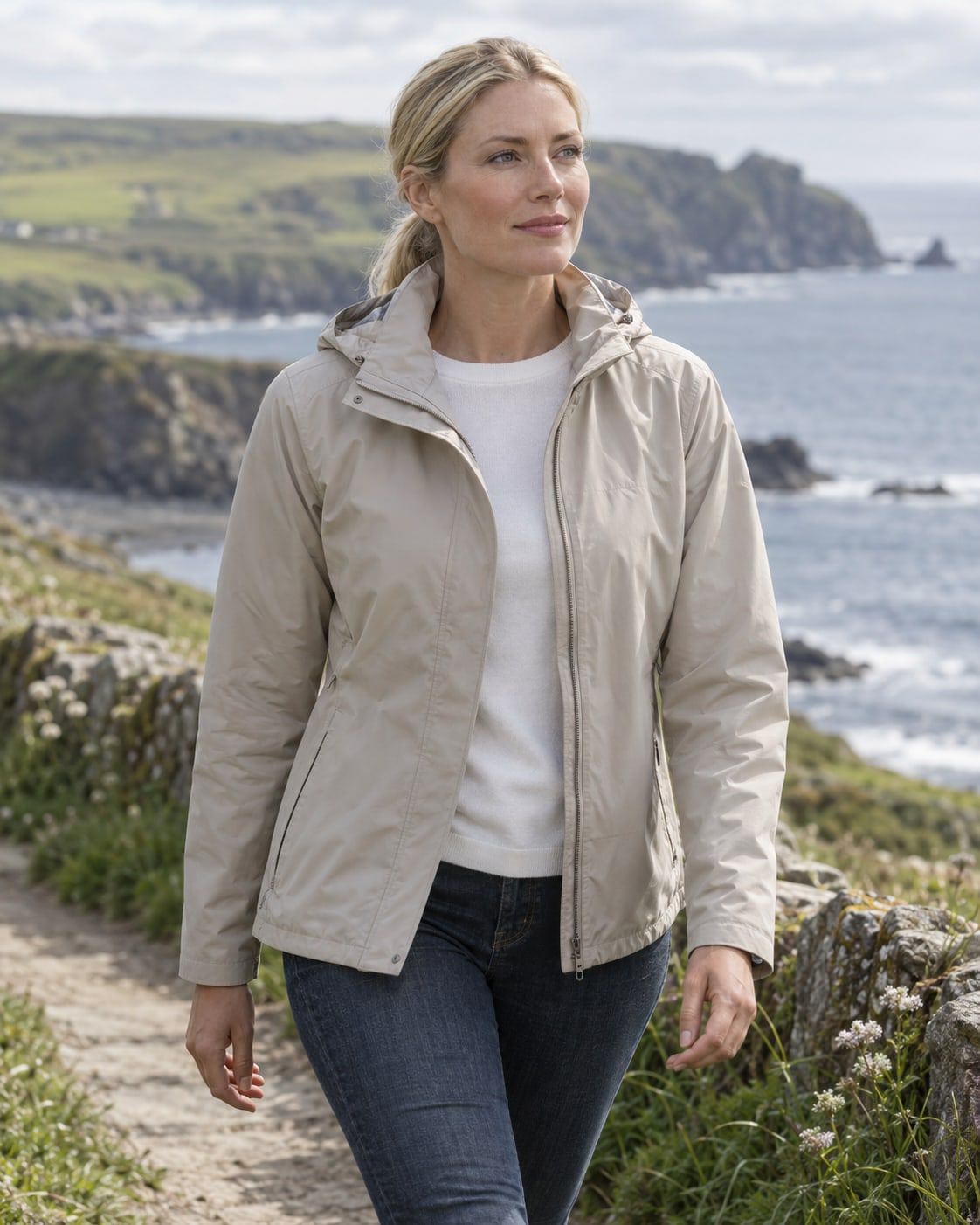
For the months when a winter coat is too much but going without is a gamble, a light jacket does a lot of work. The right one depends on what you need it for: showers, wind or a cool evening.
What to look for
- 01
Packs down small
A jacket that folds into its own pocket or a small pouch is far more likely to come with you on the days you actually need it.
- 02
Breathable fabric
Light jackets are worn on mild days, so a fabric that lets warmth escape matters more here than in winter.
- 03
A hood that stows
A hood that rolls into the collar keeps the jacket tidy in sunshine and ready for the next shower.
- 04
Simple, neutral colours
Stone, navy, olive and soft greys go with most spring and summer clothes, so the jacket gets worn more often.
What this category covers
Lightweight jackets are the in-between layers: jackets for spring, summer and the mild, unsettled days of autumn. In Ireland that's a long stretch of the year, because temperatures are moderate and the weather can change from sunshine to showers and back within the hour.
The main types are:
- Packable waterproof shells: very light, fully waterproof jackets that fold into a pocket. The most useful light jacket for Irish weather.
- Windproofs and wind shirts: thin, tightly woven jackets that block wind and shrug off drizzle, but aren't waterproof. Light and very breathable.
- Light softshells: stretchy, wind-resistant and comfortable, good for active use on dry, breezy days.
- Overshirts and shackets: heavy cotton, wool blend or corduroy shirts worn as a jacket. Casual and smart enough for most of daily life.
- Field, chore and utility jackets: cotton or canvas jackets with practical pockets, often with a water-repellent finish.
- Trench coats and macs: lighter showerproof coats for town, a classic in spring and autumn.
Who it suits and when in the Irish year
From April to early October, many people need a light jacket more often than a heavy one. Spring mornings start cool and get warmer, summer evenings drop off quickly on the coast, and showers can turn up on almost any day.
A packable shell suits anyone who walks, cycles or travels, because it can live in a bag, a bike pannier or the car until it's needed. It's also an easy way to keep your carry-on light on a Ryanair flight. An overshirt or field jacket suits people who want something that looks good at the office or in the pub, and don't mind diving for cover in a heavy shower.
In winter, a light shell becomes the outer layer over a fleece or thin insulated jacket, so it can do a year's work rather than a season's. See fleece jackets for what pairs well underneath.
The key decisions
Rain, wind or just warmth
Be clear about the job. If you need protection from rain, only a waterproof shell will do; read how to choose a waterproof jacket for what makes one work. If you mostly want something against a cool breeze on a coastal walk, a windproof or softshell is lighter and more comfortable. If it's about looking pulled together on a mild day, an overshirt or field jacket is the answer.
Technical or casual
A technical shell is lighter and more protective. A cotton jacket or overshirt looks more relaxed and pairs better with everyday clothes, but gets heavy and cold once it's soaked. Many people own one of each.
Fit and cut
Lightweight jackets are often worn over just a T-shirt, so a closer fit can look sharp. If you'll also wear it over a jumper in autumn or a fleece in winter, choose a regular cut instead. Our guide to slim, regular and relaxed fit explains the difference.
The guide to jackets for Irish weather also covers how light jackets fit alongside your winter options.
Common mistakes
Leaving it at home. The best light jacket is the one you actually bring. If it's bulky, you won't, and the shower will arrive anyway.
Mistaking showerproof for waterproof. Plenty of light jackets look like rain jackets but are only water-resistant. Fine for a dash to the car, not for a wet afternoon in Galway.
Buying too warm. A lined or padded jacket marketed for spring can feel stuffy on a mild, humid day. Lighter and layerable is more flexible.
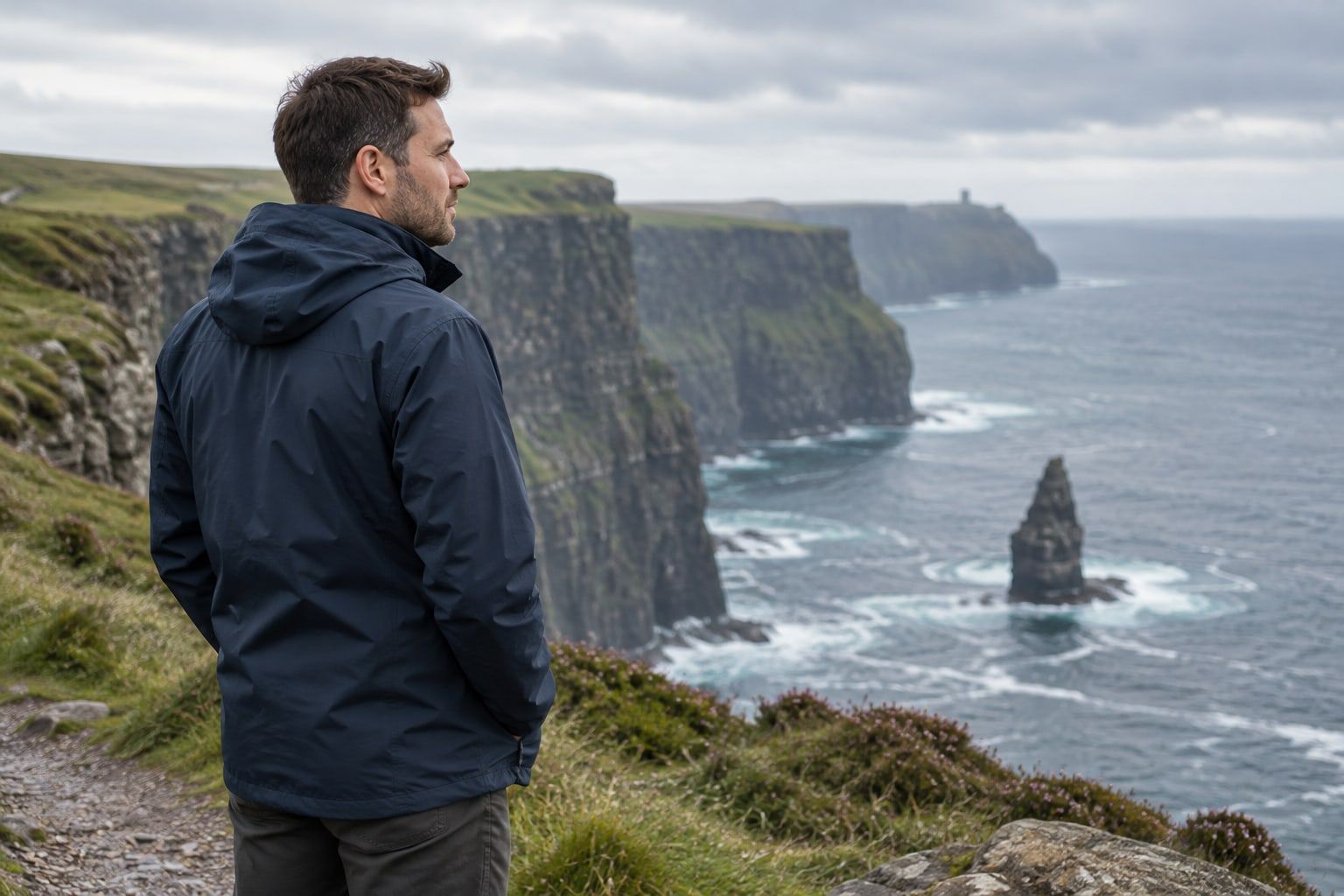
Forgetting about wind. Ireland's coast is windy even in summer. A thin cotton jacket feels fine in town and cold on a cliff path, so think about where you'll actually wear it.
Guides for lightweight jackets
Getting the fit right
Questions people ask
Is a lightweight jacket waterproof?
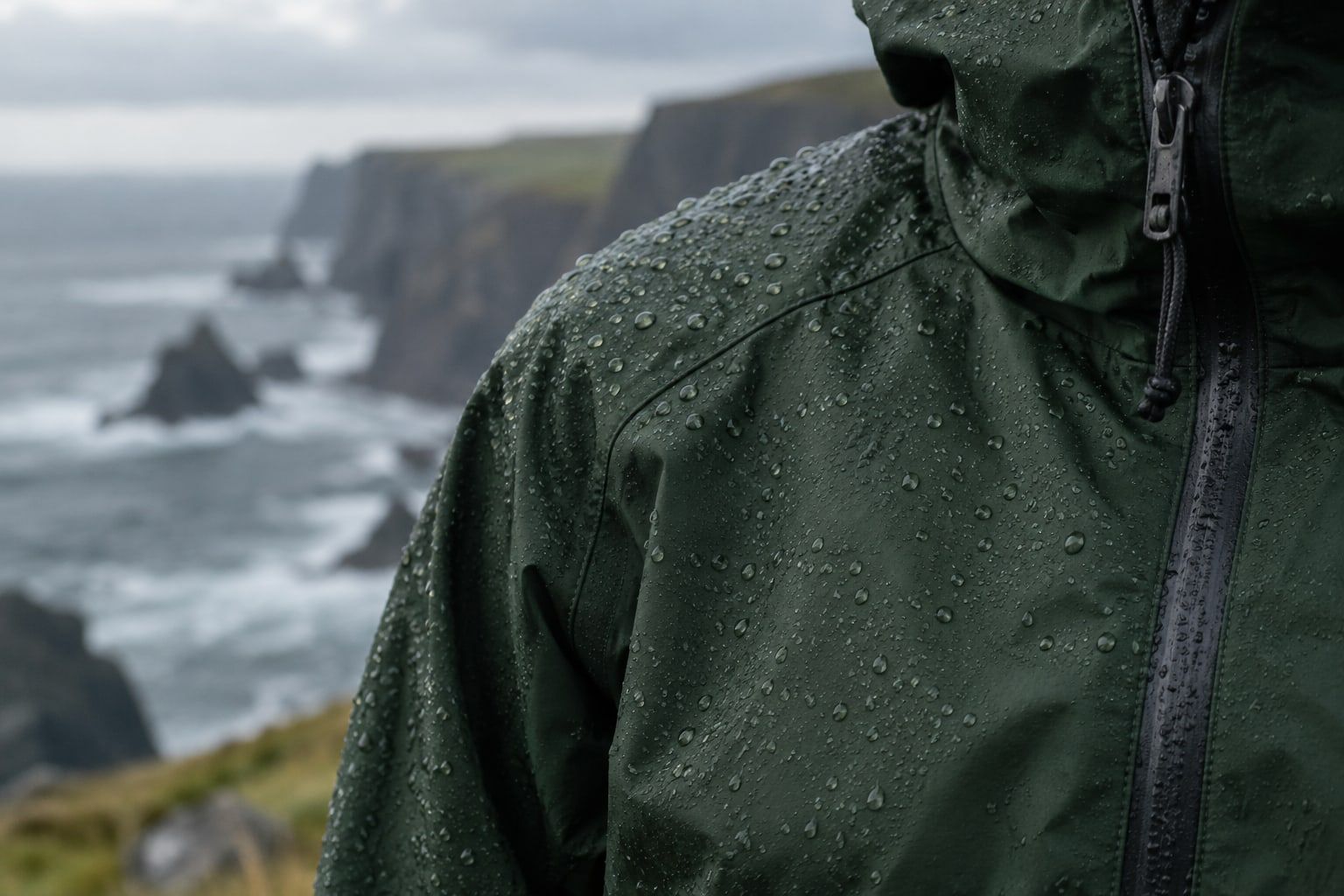
Some are and some aren't. Packable rain shells are genuinely waterproof, with a membrane and taped seams, while windproofs, cotton jackets and overshirts usually only shrug off light showers. Check for the word waterproof and taped seams if you need a jacket that keeps you dry in steady rain.
What jacket should I bring on a summer holiday in Ireland?
A packable waterproof shell is the safest choice, because it handles showers and wind and takes up almost no room. Pair it with a light fleece or jumper for cool evenings. That combination covers most Irish summer days, from Dublin streets to the Wild Atlantic Way.
Are packable jackets less durable?
Generally, yes. Very light fabrics are thinner, so they can wear faster under rucksack straps or snag more easily on briars. For everyday use and travel that's rarely a problem, but for regular hillwalking a slightly heavier shell lasts longer.