Warmth
Jackets
Winter Jackets
An Irish winter is rarely bitterly cold, but it is wet, windy and long. The best winter jacket deals with all three, rather than simply being the thickest one on the rail.
What to look for
- 01
A storm flap and two-way zip
A flap over the zip stops wind getting through, and a two-way zip lets you sit, drive or cycle without the jacket bunching.
- 02
A windproof outer
Wind strips heat faster than cold air alone, so a dense or membrane outer fabric makes a bigger difference than extra padding.
- 03
A hood and high collar
A collar that comes up to the chin and an insulated hood keep heat in where you lose it most.
- 04
Length below the hip
A jacket that covers your backside and upper thighs feels far warmer when standing still than a short one with the same fill.
What this category covers
Winter jackets are any jackets built mainly for warmth. In practice that means insulated parkas, puffer jackets, padded waterproofs, wool coats and layering combinations that do the same job. In Ireland the real enemy is damp cold rather than dry cold: air that sits close to freezing, wind off the Atlantic and rain that turns a warm jacket into a heavy, chilly one.
The main types are:
- Insulated waterproof parkas: a waterproof outer with synthetic or down fill inside. The most practical all-round winter jacket for Irish conditions.
- Puffer jackets: high warmth for their weight, best in dry cold or under a shell. See puffer jackets.
- 3-in-1 jackets: a waterproof shell with a zip-in fleece or insulated liner, wearable separately or together.
- Wool coats: warm and smart, but heavy when wet and not designed for long spells in the rain.
- Shell plus layers: a waterproof jacket worn over a fleece or light insulated jacket, adjusted to the day.
Who it suits and when in the Irish year
Most people start wearing a winter jacket from late October or early November and keep it going through March, sometimes into April on the west coast or at height. The coldest stretches tend to be clear, still nights and frosty mornings, which are the days a puffer shines.
The jacket you need depends on how much time you spend standing still. Someone walking briskly to the Luas generates their own heat and can get away with less. Someone on the sideline at an underage match on a Saturday morning, or waiting at a rural bus stop, needs a lot more. If your car is your main way of getting around, a very heavy jacket will make you uncomfortable at the wheel, and a lighter jacket that lives on the back seat may suit you better.
The key decisions
Down or synthetic
Down gives the most warmth for its weight and packs small. Its fill power, roughly 550 to 900+, tells you how lofty and efficient it is. But down loses most of its warmth when soaked. Synthetic insulation is a little heavier for the same warmth, keeps working when damp and dries faster, which counts for a lot in a house without a tumble dryer. Our guide to down vs synthetic jackets covers this in detail.
One jacket or a system
A single insulated parka is simple: grab it and go. A shell plus layers is more adaptable, because you can wear just the shell on a mild wet day and add warmth for a frosty one. If you also walk in the hills, the system approach gives you more use from each piece.
How much room to leave
You'll want space for a jumper or fleece underneath without the jacket feeling tight across the back. Our guide to room for layering explains how to check this in a fitting room or at home when ordering online.
For a full walk-through, read the winter jacket buying guide.
Common mistakes
Buying for a Scandinavian winter. Very heavy jackets designed for dry sub-zero cold are often too warm for an Irish day spent walking around, and leave you sweaty on the bus.
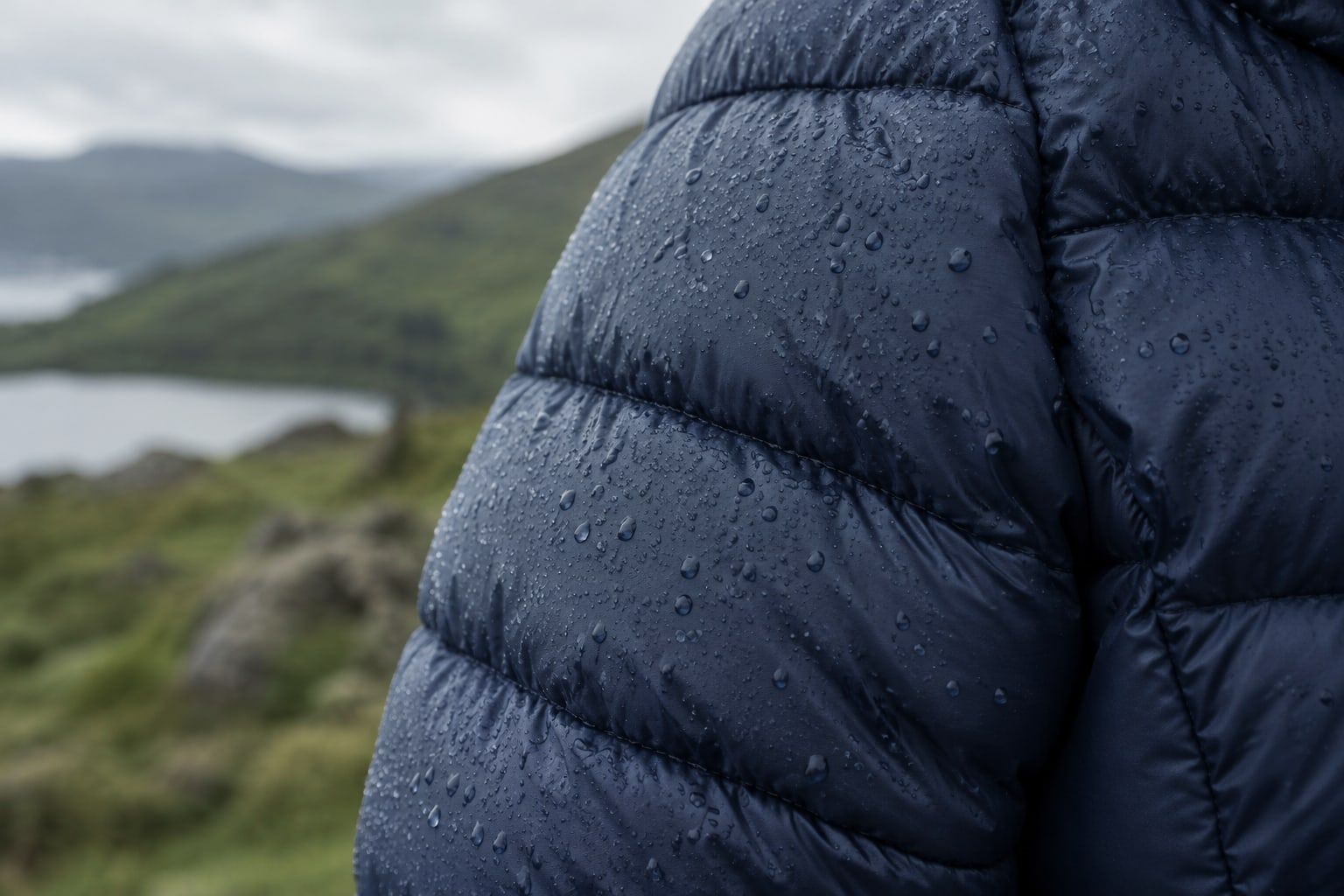
Choosing warmth with no weather protection. An uncovered down jacket in a long spell of drizzle can lose much of its loft. In Ireland, check the outer fabric before you check the fill.
Sizing up too far. Going up a size or two to fit layers often gives you sleeves that cover your hands and a hem that lets wind in. See common sizing mistakes before you order.
Forgetting the extremities. A good hat, gloves and a scarf often make a modest jacket feel much warmer, and cost far less than upgrading the jacket itself.
Guides for winter jackets
Getting the fit right
Questions people ask
Do I need a heavy winter coat in Ireland?
For most people, no. Winter days are often 4 to 8°C and wet, so a moderately insulated waterproof parka, or a waterproof shell over a warm mid layer, usually does more than a very heavy coat. A thick expedition-style jacket tends to be too warm for walking around and too bulky for the car.
Is a parka or a puffer better for an Irish winter?
A waterproof parka is usually the better everyday choice, because it handles rain and wind as well as cold. A puffer is warmer for its weight and great on dry, frosty days, but most won't keep out steady rain. Many people end up with both, or a puffer that fits under a shell.
How warm should a winter jacket be for standing at a match?
Standing still for an hour or more is the coldest thing most of us do in an Irish winter. Choose a longer jacket with good insulation, a hood and a high collar, and add a warm layer underneath on the coldest days. A hat and gloves make as much difference as the jacket itself.