Style
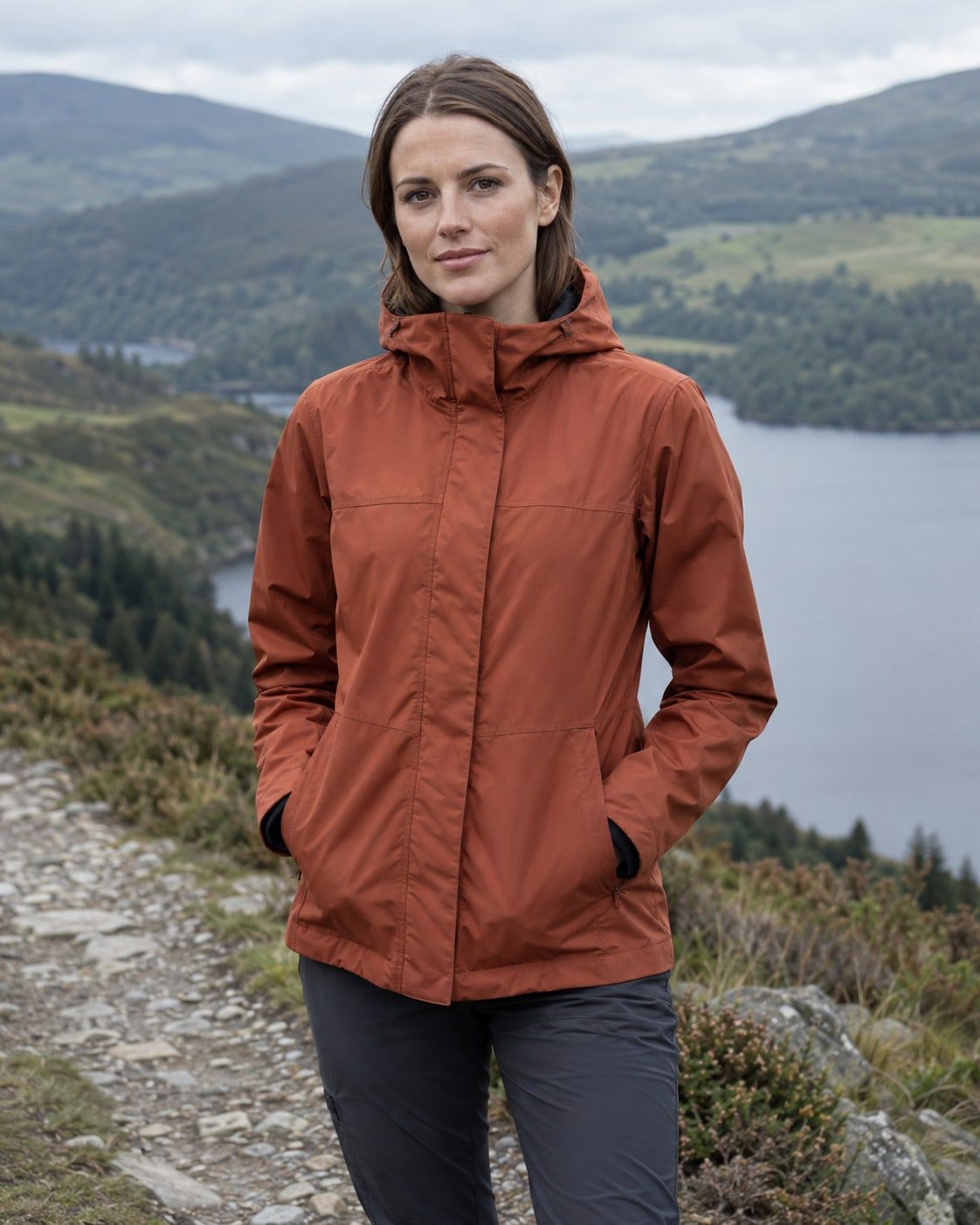
Jackets
Women's Jackets
A good set of jackets for Irish life covers rain, wind and the cold without making you choose between staying dry and looking put together. Here is where to start.
What to look for
- 01
A shaped fit with real movement
A tailored cut should still let you lift your arms and reach forward without the hem riding up or the back pulling tight.
- 02
A hood with adjustment
Look for a drawcord or volume adjuster at the back so the hood stays put in wind instead of blowing off.
- 03
Pockets that hold a phone
Many women's jackets have shallow or decorative pockets, so check that at least one zipped pocket takes a phone securely.
- 04
Hip room on longer styles
On parkas and coats, check the jacket closes comfortably over your hips when sitting, not just when standing.
What this category covers
Women's jackets span a wide range, from light rain jackets and quilted gilets to long parkas and tailored wool coats. The Irish climate shapes what is genuinely useful: frequent rain, plenty of wind and long stretches of mild, damp weather rather than deep cold. A jacket that looks lovely but soaks through on a soft day won't get much wear.
The main types worth knowing about are:
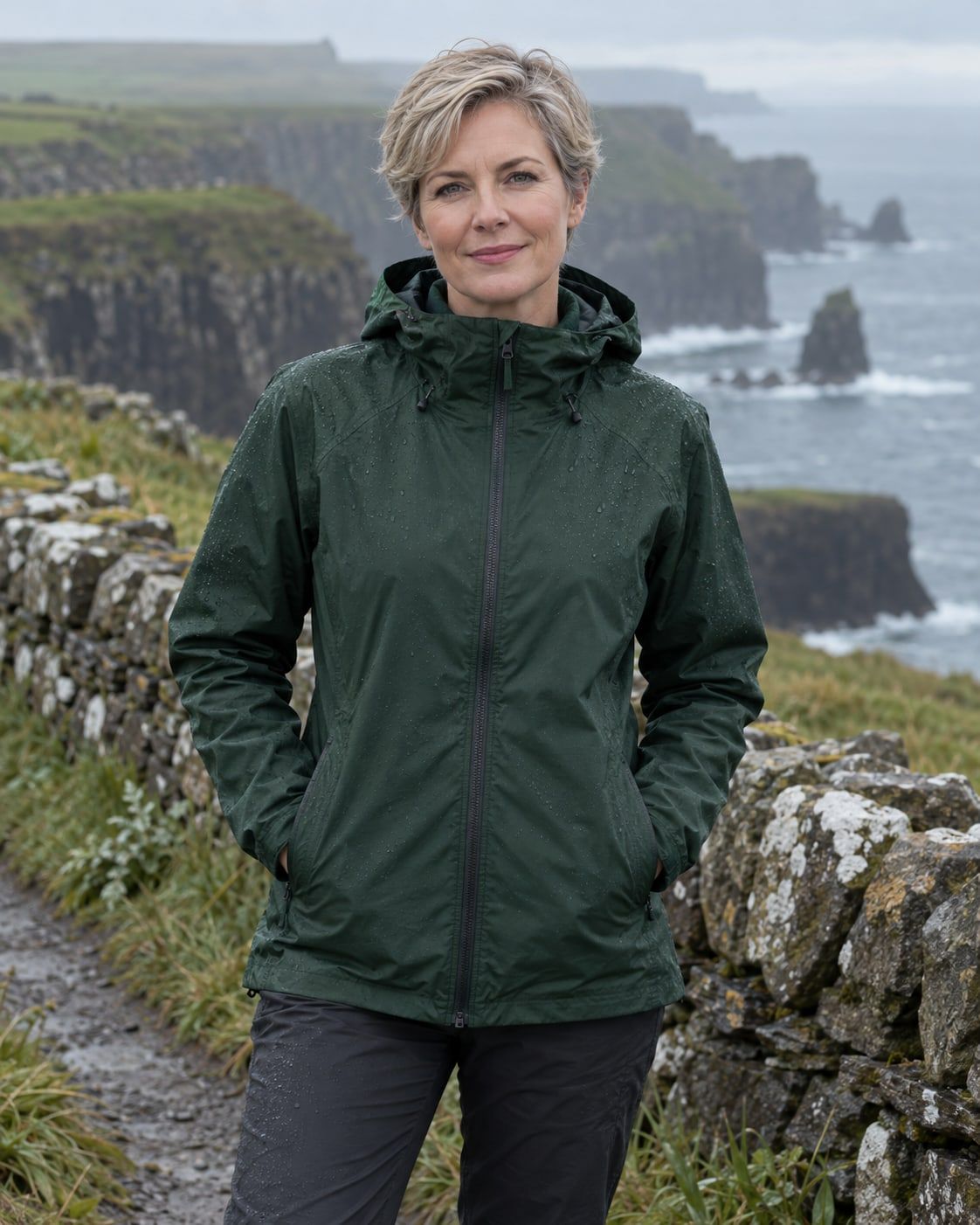
- Rain jackets: lightweight waterproofs with a membrane and taped seams. The most practical single jacket for most of the year. See waterproof jackets.
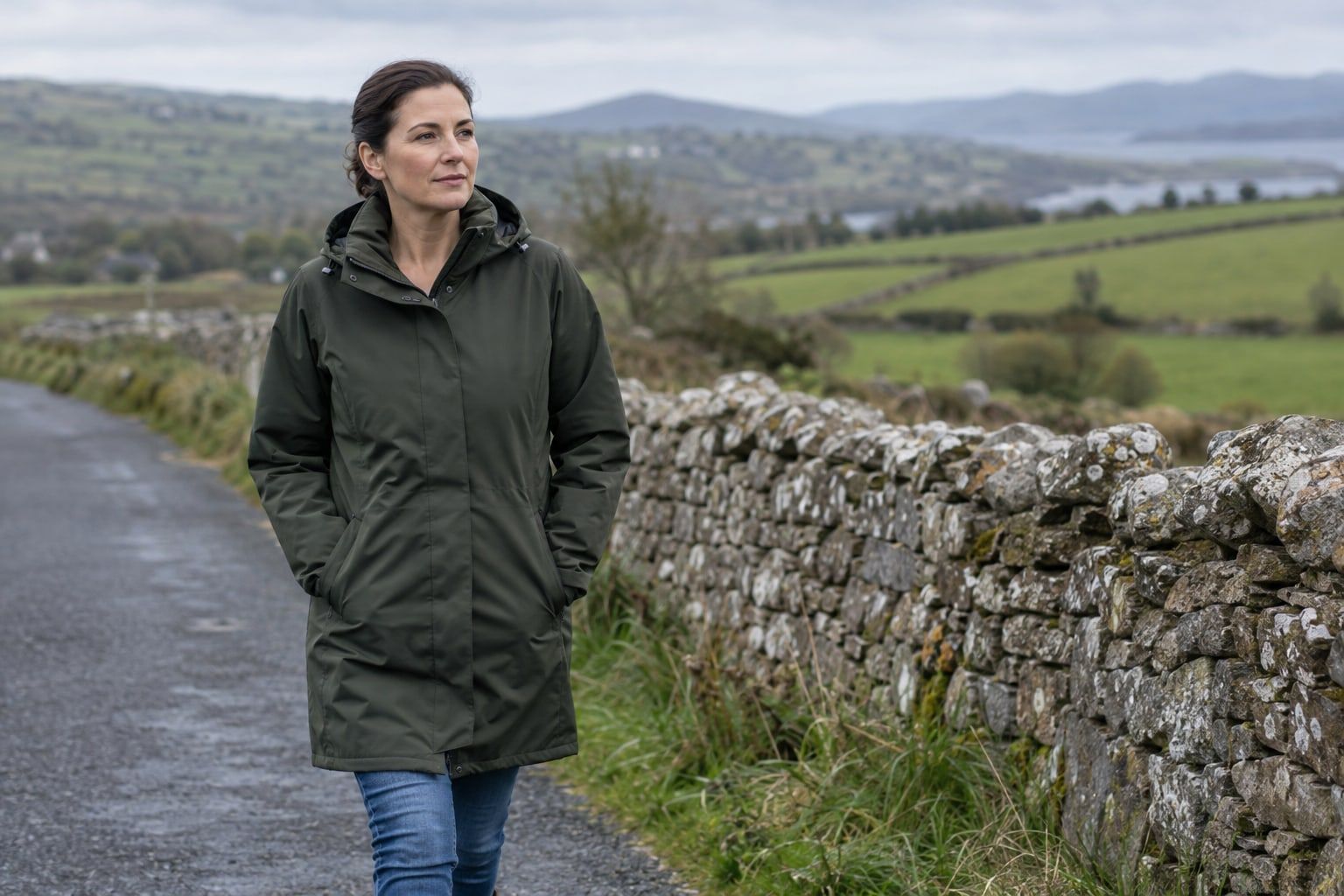
- Waterproof parkas: longer, often lined or lightly insulated, covering the hips and thighs. A favourite for the school run and dog walks.
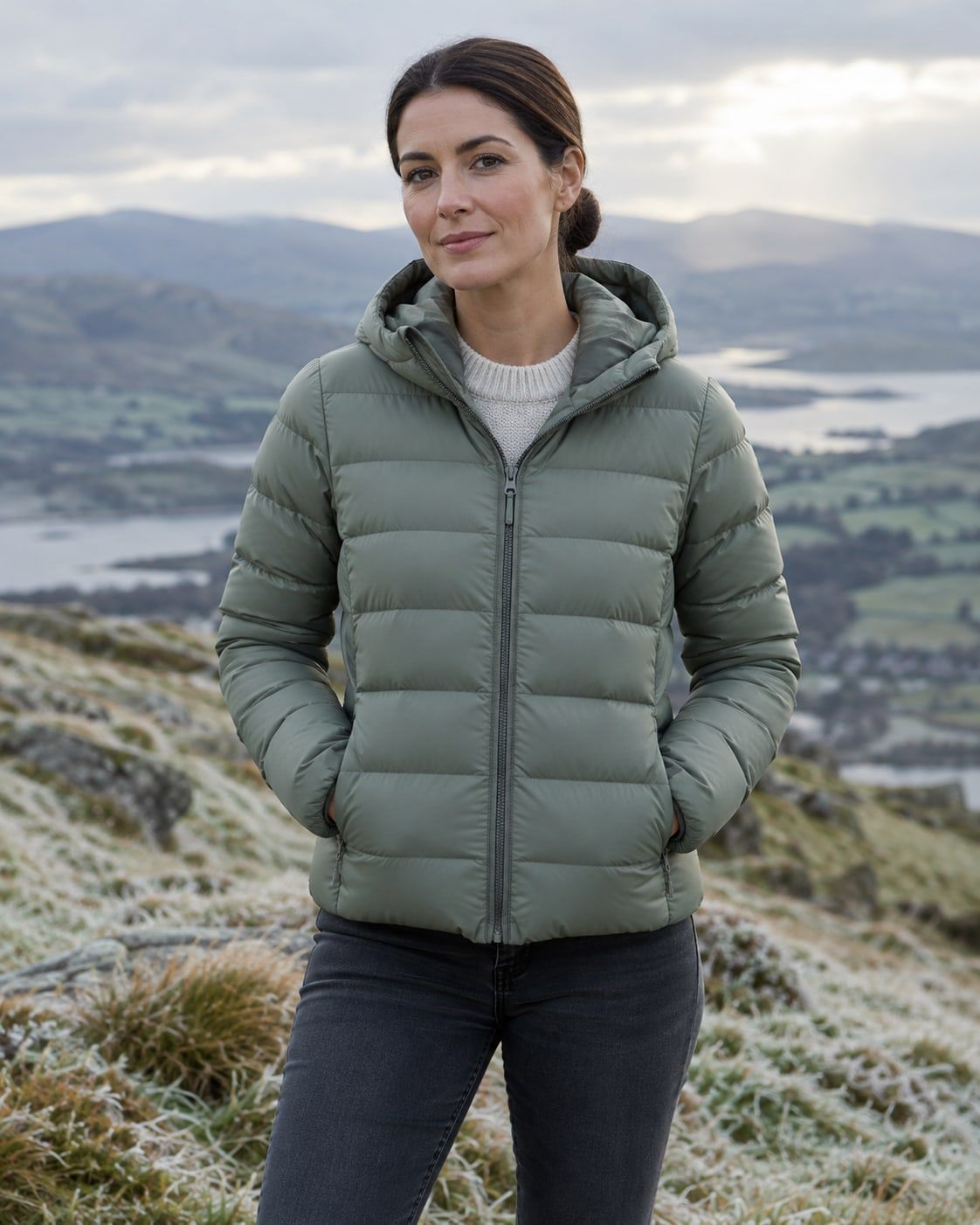
- Puffer jackets: down or synthetic insulation for cold, dry days, in cropped, hip-length and long styles. See puffer jackets.
- Quilted jackets and gilets: light warmth that layers well under a coat or over knitwear.
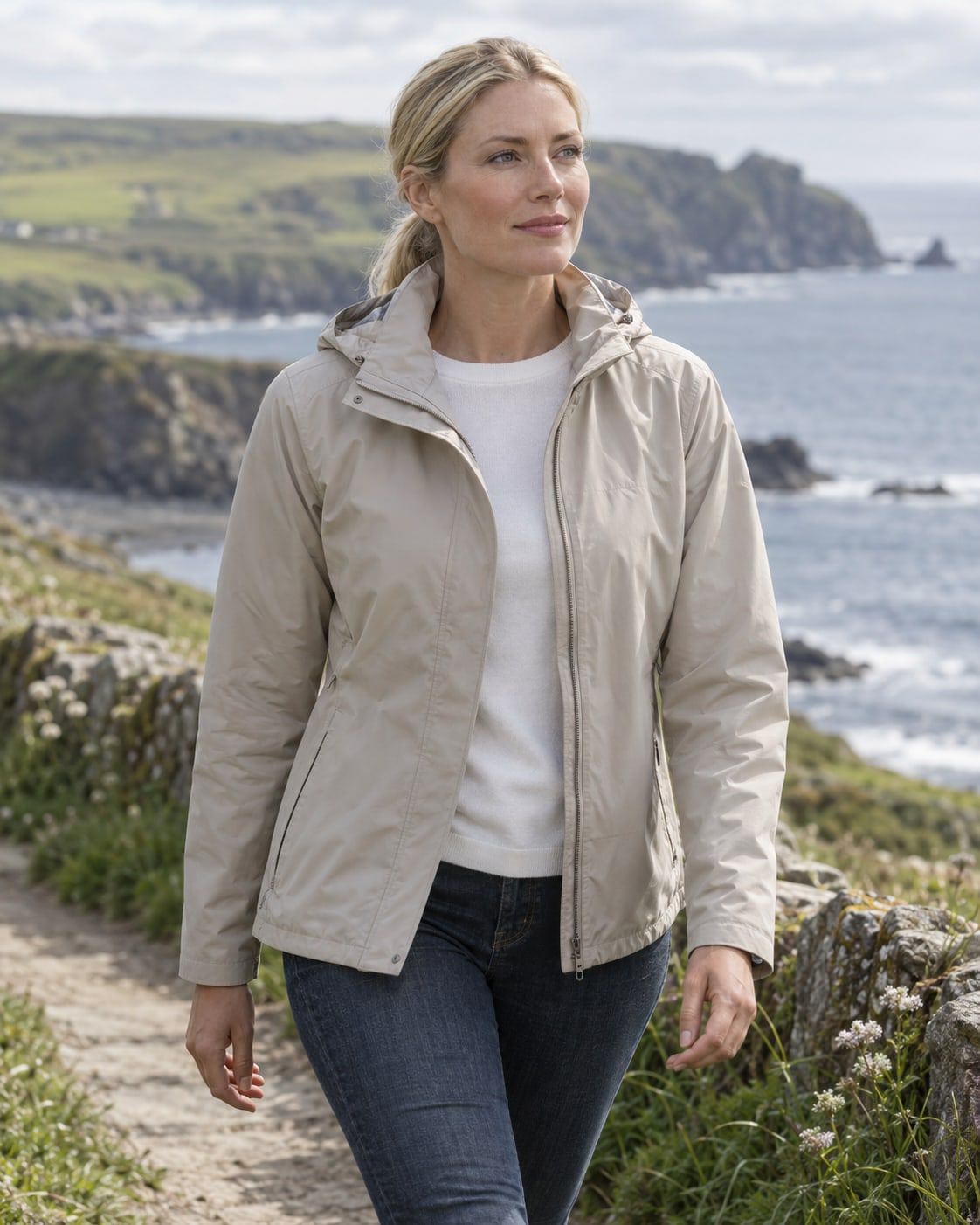
- Trench coats and macs: smarter, often showerproof rather than fully waterproof, ideal for town in spring and autumn.
- Wool and tailored coats: for work, weddings and evenings, best kept for drier days or short walks.
Who it suits and when in the Irish year
Autumn and winter call for warmth plus rain protection. A waterproof parka with a fleece or light down layer underneath is often more useful than a thick puffer, because Irish winter days are usually 4 to 8°C and wet rather than freezing. Save the heavy puffer for clear frosty mornings and the odd cold snap.
In spring, a rain jacket or trench handles the changeable weather, with a light jumper underneath on cooler days. Summer in Ireland still brings showers and cool evenings, so a packable shell or a light jacket from our lightweight jackets page is worth keeping in a bag or the car.
Think honestly about your routine. If you're outdoors a lot, walking to work, doing the school run on foot or heading up the hills at weekends, invest in proper waterproofing. If you mostly travel by car and spend your day indoors, style and easy layering may matter more.
The key decisions
Length
Length makes a bigger difference than most people expect. A cropped jacket looks sharp with high-waisted trousers but leaves your lower back exposed to wind. A hip-length jacket is the easiest all-rounder. A mid-thigh or knee-length parka keeps you much warmer and drier when you're standing still at a bus stop or on the sideline of a match.
Technical or tailored
Outdoor jackets tend to have practical hoods, adjustable cuffs and better waterproofing, while fashion-led jackets focus on shape and fabric. Plenty of jackets now sit in between, with a clean outline and genuine weather protection. Our women's jacket style guide covers how to make a practical jacket look good, and the guide to jackets for Irish weather explains which types handle which conditions.
Fit
Women's sizing varies a great deal between brands, and outdoor brands often size differently from high street fashion. Read our guide on why sizes differ between brands and check the fit at the shoulders, chest and waist before you commit.
Common mistakes
Buying a fashion jacket for weather duty. Many stylish jackets are only water-resistant, with stitched seams that let water through in steady rain. If it needs to keep you dry on a long walk, check it is properly waterproof.
Going too fitted for winter. A jacket that fits perfectly over a blouse may be tight over a chunky jumper. Try it on over the layers you'll actually wear in January.
Forgetting about sleeves. Women's sleeves are often cut shorter, and a cuff that rides up when you reach for a car door or push a buggy lets in cold air and rain. Lift your arms forward in the fitting room and see where the cuffs land.
Choosing pale colours for daily wear. Light cream and white jackets look lovely but show every mark from a muddy dog or a car door. For a jacket you'll wear every day, mid and darker tones are far easier to live with.
Guides for this category
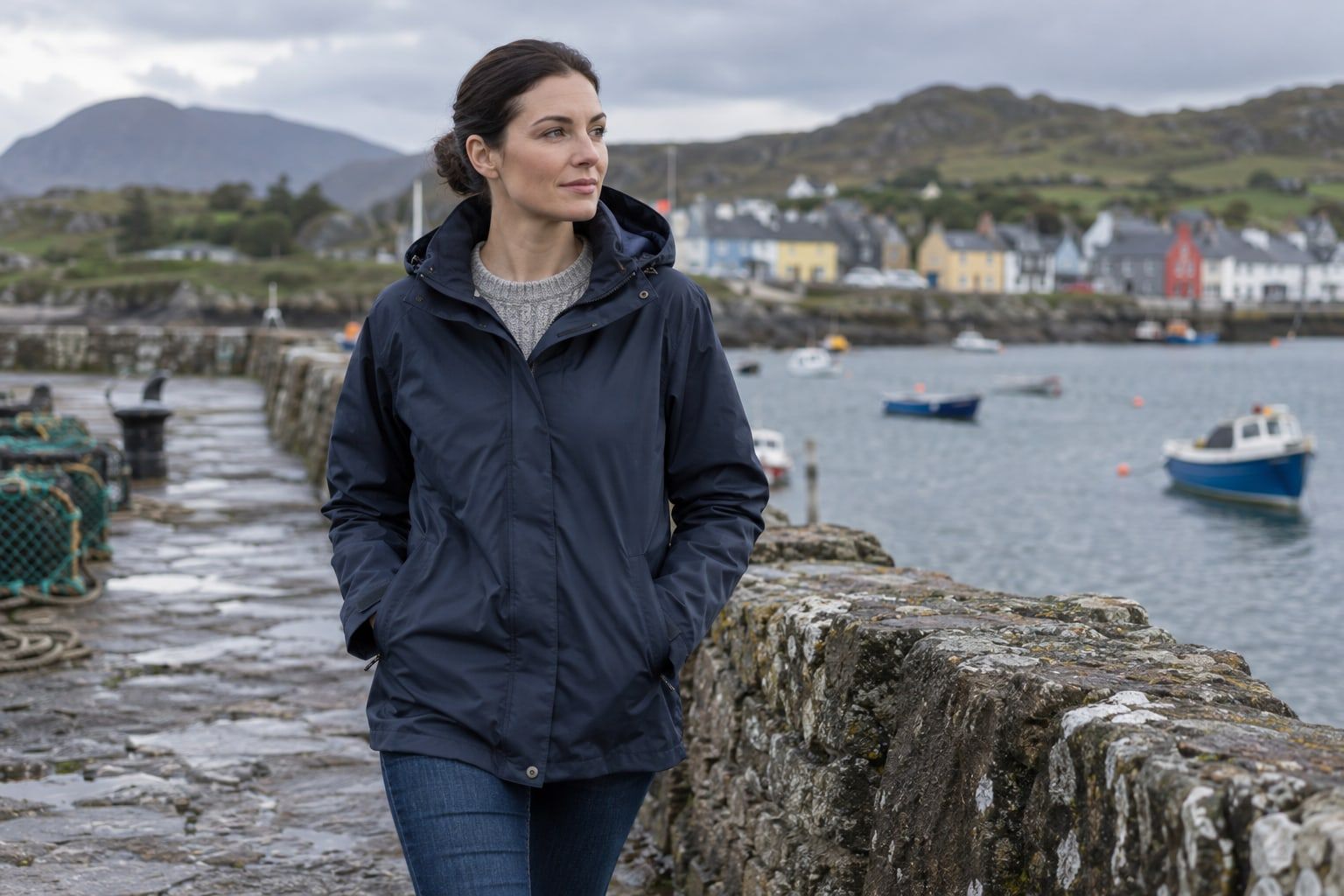
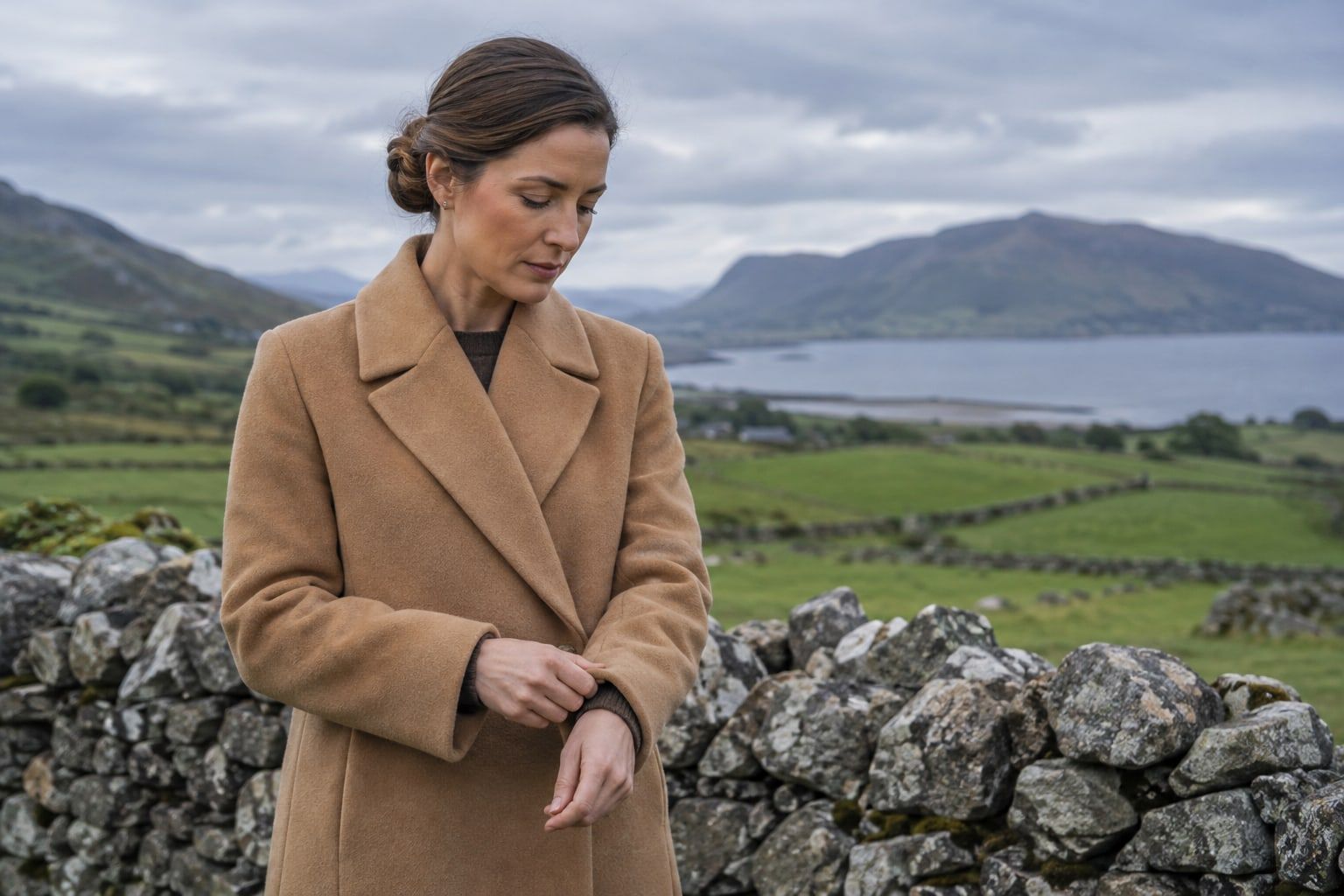
Getting the fit right
Questions people ask
Should I buy a women's or unisex jacket?
Women's cuts are usually narrower at the shoulders, shaped through the waist and with more room at the hips, so they tend to fit better and keep wind out more effectively. Unisex and men's jackets can work well if you prefer a boxier shape or need longer sleeves. Try both if you can, and compare measurements rather than size labels.
What is the most versatile women's jacket for Ireland?
A mid-thigh waterproof parka or rain jacket in a neutral colour covers the most ground. It handles the school run, a walk on the beach and a wet commute, and you can wear a light or heavy layer underneath depending on the month.
Are women's jackets sized the same across brands?
No. A size 12 in one brand can fit like a 10 or a 14 in another, and outdoor brands often use their own sizing systems. Always check the brand's own chart against your chest, waist and hip measurements before ordering online.